All data presented in this report follow Iran’s official fiscal calendar (Persian solar year).
For clarity, fiscal years are converted to their approximate Gregorian equivalents:
- FY 1403 = March 2024 – March 2025
- FY 1404 = March 2025 – March 2026 (currently ongoing; only half‑year data to September 2025 are available)
Thus, while export figures for FY 1403 (2024–2025) are complete, the FY 1404 (2025–2026) statistics refer only to the first half of the year (H1) and will be finalized after March 2026.
Introduction
In the competitive world of global construction, Iran Cement has emerged as more than just a commodity—it is a strategic asset. With a production capacity exceeding 90 million tons annually, Iran isn’t just a regional player; it’s a global powerhouse. But what is driving the massive surge in Iran Cement Export? At Call2Supply, we believe in transparency. By looking at the latest data from the Islamic Republic of Iran Customs Administration (IRICA), we can see a clear trend: global buyers are moving away from high-cost producers and turning to the reliability and competitive pricing of the Iranian market.
1. The Numbers Behind the Growth: 1403-1404 Data
When we talk about Iran Cement Export, we are talking about staggering volumes. According to official IRICA reports, the fiscal year 1403 saw Iran moving mountains of material across its borders. This wasn’t just a minor increase; it was a demonstration of industrial might. The world is increasingly recognizing that the quality of Iran Cement is equal to, or in some cases superior to, more expensive European brands.
| Metric | Total Volume (1403) | Total Value (USD) |
| Total Exports | 13,008,767,871 Kg | $345,788,887 |
The momentum didn’t stop there. In the first half of 1404 (2025), we saw a 6.7% increase in export value compared to the previous year. This growth is a direct result of improved logistics and a diversification of markets, particularly into the CIS and GCC regions.
H1 Comparison (1403 vs. 1404)
- H1-1403 Value: $174,178,037
- H1-1404 Value: $185,888,615 (Up 6.7%)
This 6.7% growth is significant because it happened during a period of global economic fluctuation. While other producers struggled with rising energy costs, the Iran Cement industry remained stable, allowing for consistent supply and pricing. This stability is exactly what large-scale contractors and wholesalers are looking for when they commit to multi-year infrastructure projects.
2. Top Destinations for Iran Cement Export
The beauty of Cement lies in its reach. From the humid coasts of the Persian Gulf to the freezing construction sites of Russia, Iranian cement is the foundation. The geographical diversity of the Iran Cement Export market is a testament to the product’s versatility and compliance with various international standards.
🧱 Iraq: The Infrastructure Giant
Iraq remains the top destination, importing over 3.4 billion kg in 1403. The demand is fueled by massive reconstruction projects where Type II and Type V cements are essential for durability. Iraq’s close proximity to major Iranian production hubs makes it the most logical partner, but it’s the quality that keeps the demand high. From housing complexes to bridge foundations, Iran Cement is the lifeblood of Iraqi development.
🇰🇼 Kuwait: The Quality Benchmark
Kuwait’s import of 2.8 billion kg ($68.2M) proves that Iran Cement meets the highest international standards. Kuwait has some of the strictest import regulations in the Middle East, requiring rigorous testing for chemical composition and compressive strength. Iranian brands consistently pass the test, proving that our “Value King” title doesn’t mean we sacrifice quality.
🇷🇺 Russia: The New Frontier
A significant shift in the Iran Cement Export landscape is the rise of Russia. With over 1.2 billion kg exported, the Caspian Sea route has become a vital artery for Russian developers looking for high-strength clinker and specialized cement. This northern corridor is expanding rapidly, and Iran Cement is filling the gap left by European suppliers who have exited the market.
3. Product Diversity: What We Supply at Call2Supply
One size does not fit all in the world of construction. At Call2Supply, we don’t just “sell cement”—we match the specific grade to your project’s environmental conditions. The variety within the Iran Cement portfolio allows us to serve everyone from high-end architects to heavy industry engineers.
1. Portland Cement (OPC)
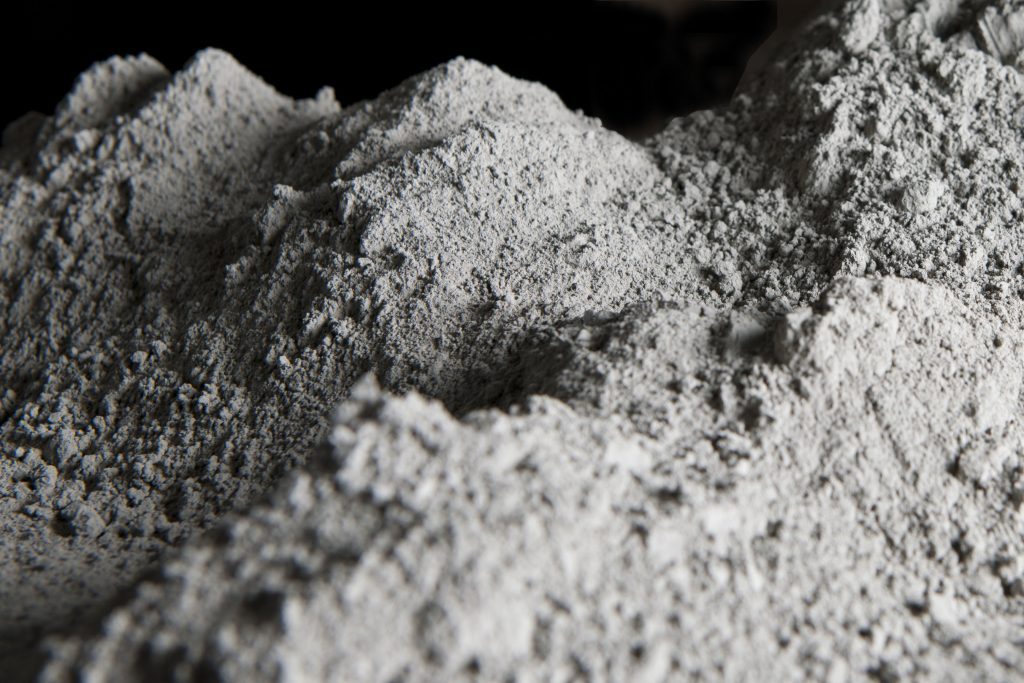
The standard for most construction worldwide. We source Type I (32.5, 42.5, 52.5) for general building needs. We also provide Type II, which is modified for moderate sulfate resistance, and the highly sought-after Type V (High Sulfate Resistance). Type V is critical for projects in coastal areas or where the soil has high mineral content, making it a star product in the Iran Cement Export lineup.
2. Pozzolanic Cement
Perfect for dam construction and marine structures. It’s the “sustainable” choice that offers high chemical resistance and lower heat of hydration. For projects requiring massive concrete pours, Pozzolanic cement is essential to prevent thermal cracking. Its long-term durability is making it a favorite for sustainable development projects across the Middle East.
3. White Cement
With a whiteness level exceeding 90%, Iranian white cement is a luxury product used for high-end facades and decorative precast elements in the UAE and Qatar. When aesthetics matter as much as strength, Iran Cement delivers a finish that is brilliant, consistent, and resistant to staining.
4. Clinker
For our partners with their own grinding facilities, we provide raw Clinker in bulk. This is the most cost-effective way to manage Iran Cement Export for massive industrial volumes. Shipping clinker allows for greater flexibility and lower logistics costs, making it a preferred option for our clients in Africa and Southeast Asia who want to process the final product locally.
4. The Logistics: How We Manage 13 Billion Kilograms
Moving cement is a game of precision. A slight delay or poor packaging can ruin a whole shipment. Here is how Call2Supply ensures your order arrives in perfect condition, maintaining the integrity of the Iran Cement Export brand.
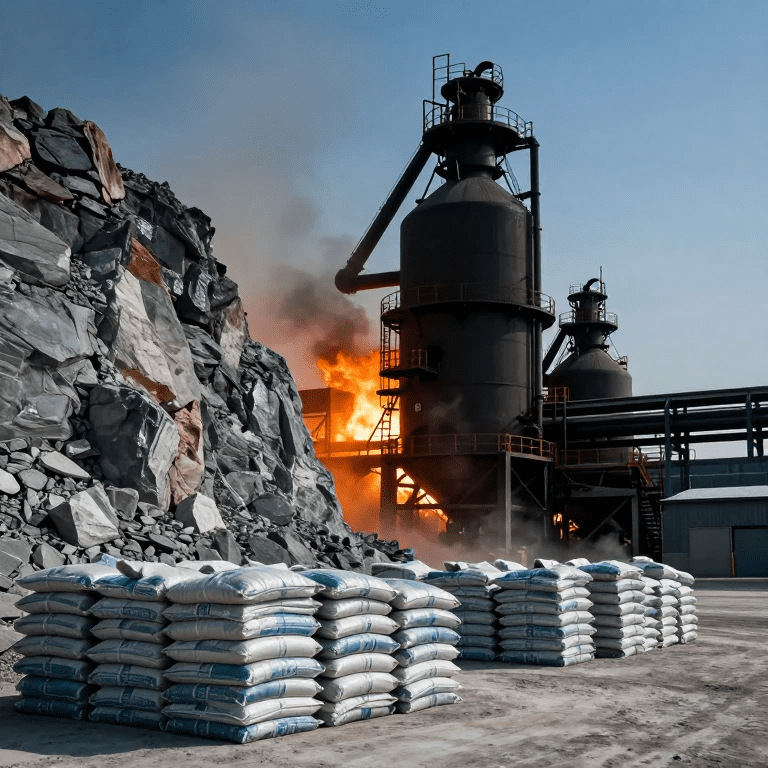
Sling Bags & Jumbo Bags: We minimize loss during transit by using high-quality UV-resistant bags. Cement is sensitive to moisture and sunlight; our packaging is designed to withstand the roughest sea journeys and long-term storage in port warehouses.
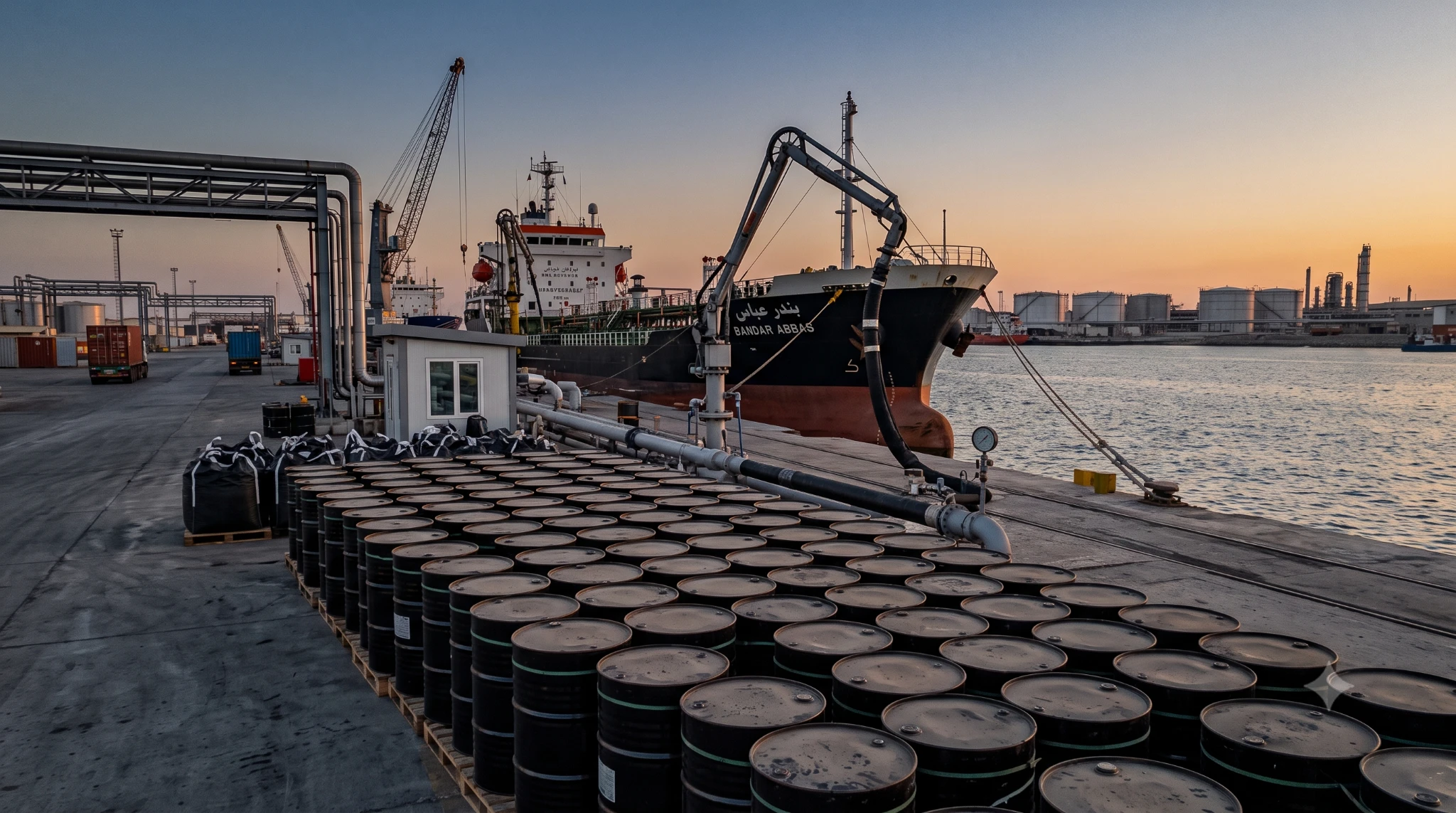
Bulk Shipping: For large-scale Clinker orders, we manage bulk carriers from Bandar Abbas and Bushehr. These deep-water ports are equipped with state-of-the-art loading technology, ensuring that tens of thousands of tons can be moved efficiently, reducing turnaround time for vessels.
Land Transit: For Iraq and Afghanistan, we utilize a dedicated fleet to cross borders like Shalamcheh and Mehran swiftly. We understand the customs regulations and the paperwork required by IRICA, ensuring that your Iran Cement shipment isn’t stuck at the border.
5. Why Choosing Call2Supply is a Smart Decision?
In the vast world of Iran Cement, finding a reliable partner is the difference between a successful project and a logistical nightmare. We pride ourselves on being more than just a broker; we are your strategic partner in Iran.
✅ Direct Sourcing
We eliminate the middlemen. We have boots on the ground at major plants like Sepahan, Bojnourd, and Sarouj Bushehr. This means you get the best Iran Cement Export prices directly from the source. Our long-standing relationships with these factories ensure that even in times of high demand, our clients’ orders are prioritized.
✅ Transparent Documentation
Exporting from Iran involves navigating complex IRICA regulations. We handle the Bill of Lading, Certificate of Origin, and SGS Inspections, so you don’t have to. We provide full transparency throughout the process, giving you peace of mind that your Iran Cement purchase is fully compliant and legal.
✅ Rational Pricing
As seen in the 1403 data, the price of Iran Cement is incredibly competitive. We work on high-volume, low-margin models to ensure your project’s bottom line stays healthy. We don’t believe in “hidden fees”—the price we quote is the price you pay.
6. The 2026 Outlook: Future of Iran Cement Export
As we move deeper into 2026, the trend is clear: Iran Cement is becoming the world’s “Value King.” With energy prices rising globally, Iran’s stable production costs allow it to maintain prices that other countries simply can’t match. We are seeing new interest from markets in West Africa and South America, regions that are looking for high-quality clinker to fuel their own construction booms.
The next few years will see an even greater focus on technology within the Iran Cement industry. From carbon-reduction initiatives in the factories to digital tracking of shipments, the Iran Cement Export market is modernizing rapidly.
| Destination | Weight (Kg) | Value (USD) |
| Iraq | 3,458,228,156 | $82,495,334 |
| Kuwait | 2,845,019,370 | $68,236,976 |
| Afghanistan | 1,482,415,560 | $45,688,754 |
| Russia | 1,209,530,159 | $35,808,379 |
| Pakistan | 733,685,622 | $20,898,413 |
7. Deep Dive into the Competitive Advantage of Iranian Clinker
While finished cement is popular, the true powerhouse of the Iran Cement Export sector is often Clinker. For many nations, importing clinker is a strategic move to boost local industry while saving on the costs of mining and initial processing. Iranian clinker is prized for its consistent chemical profile, which allows for predictable results when ground into finished cement.
At Call2Supply, we provide clinker that meets the most demanding chemical analyses. Whether you need high-alumina clinker or a specific lime saturation factor (LSF), we can source the exact profile required by your grinding station. This level of customization is why we have become a preferred partner for industrial-scale buyers.
8. Navigating the Challenges: Quality Control and Standards
One common question we get is: “Is the quality of Iran Cement consistent?” The answer is a resounding yes, but only if you work with the right partner. The Iranian national standards for cement are closely aligned with European EN-197 standards. However, at Call2Supply, we go a step further. We encourage and facilitate third-party inspections (like SGS or Bureau Veritas) at the loading port.
This commitment to quality is what has allowed Iran Cement Export to penetrate high-barrier markets like Kuwait and Russia. We believe that trust is built on transparency, and our quality control processes are designed to prove that Iranian engineering is world-class.
9. Environmental Responsibility in the Iranian Cement Industry
Modern construction isn’t just about strength; it’s about sustainability. The Iran Cement industry is making significant strides in reducing its carbon footprint. Many of the factories we work with have upgraded their kilns to be more energy-efficient and are incorporating alternative fuels.
For international buyers who are conscious of their “Scope 3” emissions, sourcing from efficient Iranian plants is becoming an increasingly attractive option. When you choose Iran Cement Export through Call2Supply, you are supporting an industry that is actively investing in a greener future.
10. Ready to Source? Let’s Build Together
Whether you are a wholesaler in Russia or a contractor in Iraq, the data shows that Iran Cement Export is your best bet for 2026. The combination of price, quality, and volume is unmatched by any other producer in the region.
At Call2Supply, we don’t just provide material; we provide a “hassle-free” bridge to the Iranian market. From the first inquiry to the final delivery at your port (FOB or CFR), we are with you every step of the way. We handle the complexities of international trade so you can focus on what you do best: building the future.