If you are researching Iran bitumen export markets, Iranian bitumen suppliers, or reliable exporters from Iran, you have probably noticed that most available information falls into two categories: promotional content without real data, or expensive trade databases that provide limited information behind a subscription wall.; where is Iranian bitumen really going, in what volume, and at what price?
This article provides a data-based ( based on Irica) overview of Iran bitumen export market, showing where Iranian bitumen is actually shipped, how much volume is exported, the export value, average prices, and the main countries importing bitumen from Iran.
Using official export records from 1401 to 1404 in the Iranian calendar (2022–2026), this analysis covers Iran bitumen export volume, export destinations, market changes, and what international buyers should know before sourcing bitumen from Iran.
For companies looking to buy bitumen from Iran, understanding export trends, major suppliers, pricing factors, and destination markets is an important step before selecting an Iranian bitumen exporter. If at any point you want to skip the analysis and go straight to sourcing bitumen yourself, our team is one message away on WhatsApp.
Why Iran Is a Major Bitumen Supplier in Global Markets?
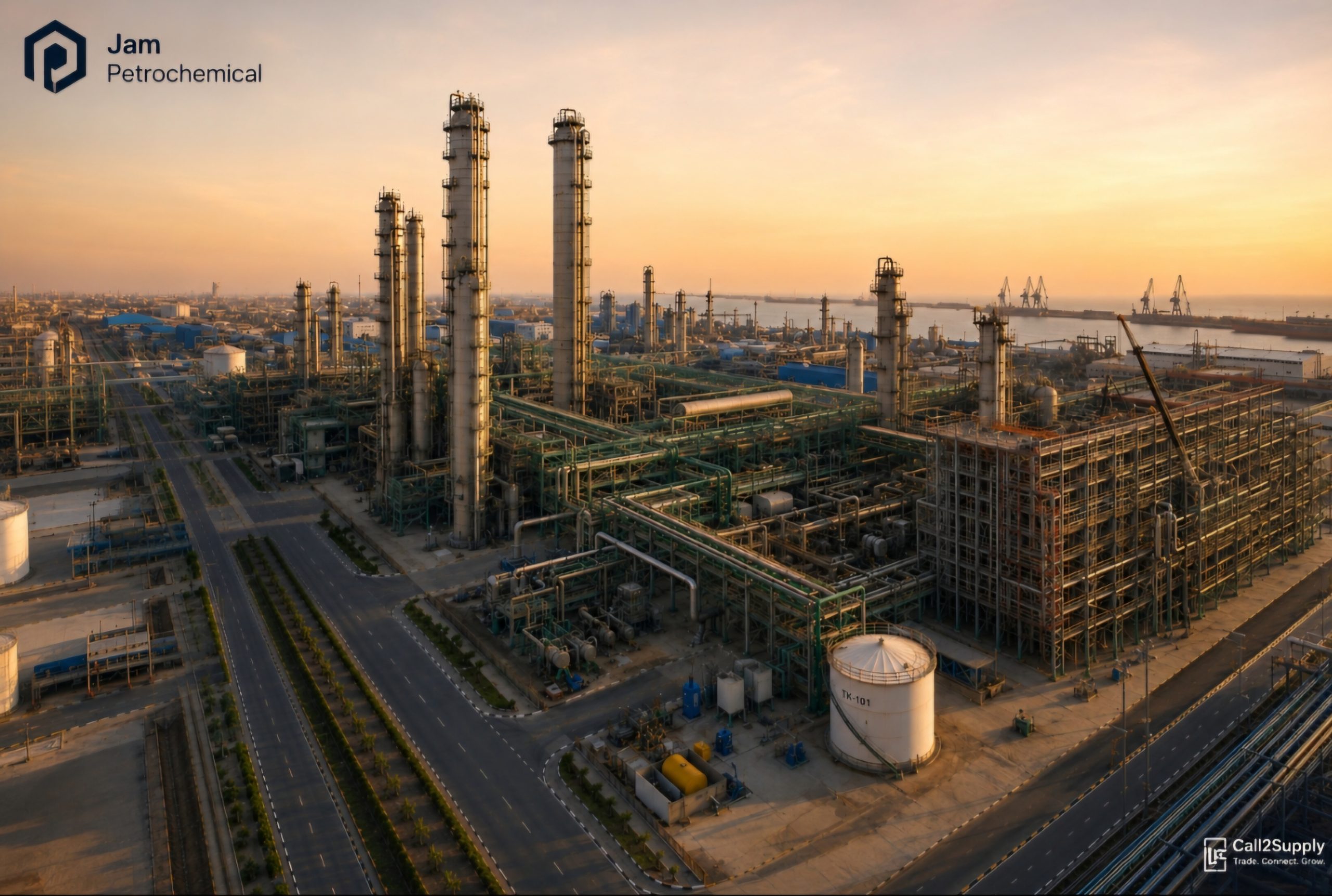
Iran has become one of the important sources of petroleum bitumen in international markets due to its large refining capacity, access to crude oil resources, and strategic location near major shipping routes.
For international buyers, sourcing bitumen from Iran provides access to different grades suitable for various road construction and infrastructure projects. Iranian suppliers export widely used penetration grades such as Bitumen 60/70, Bitumen 80/100, VG-40و and VG-30 depending on climate conditions, project requirements, and destination standards.
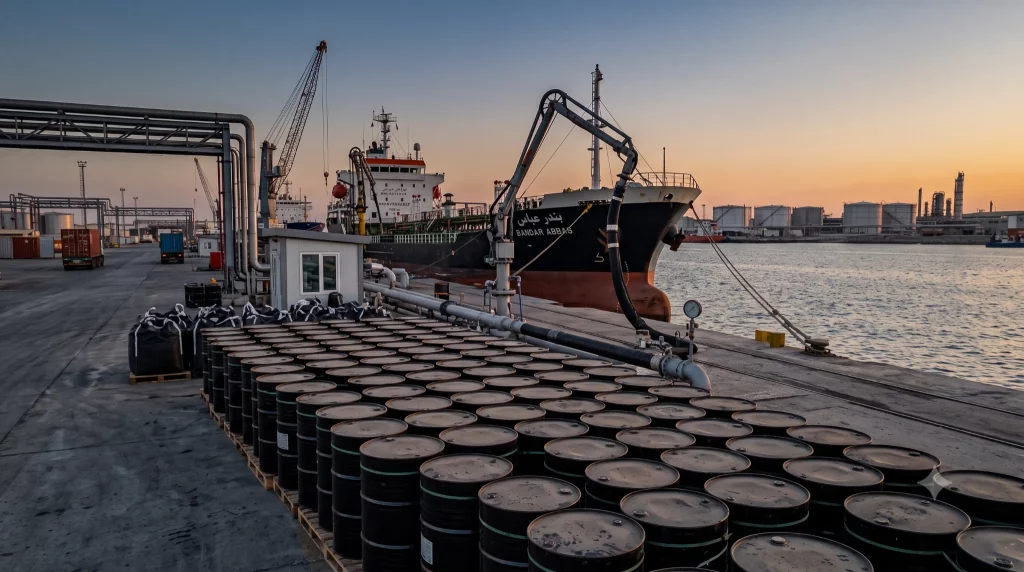
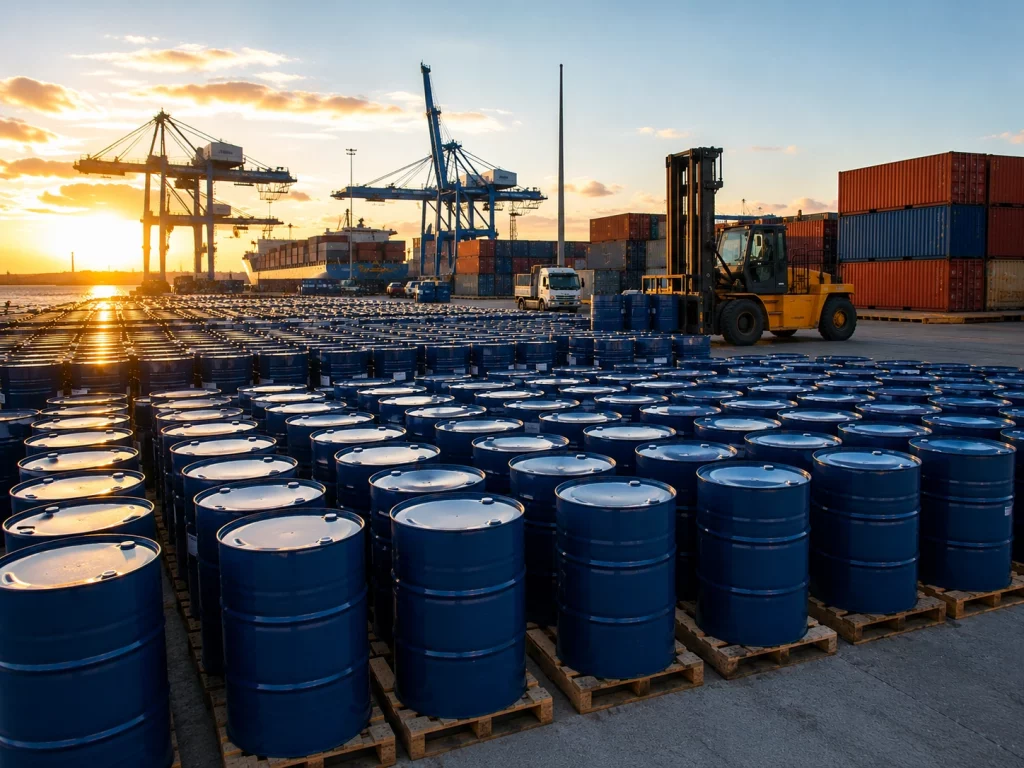
Iranian bitumen exporters supply customers across Asia, the Middle East, and Africa through major Persian Gulf ports such as Bandar Abbas. Depending on the buyer’s requirements, bitumen can be shipped in different forms including bulk, steel drums, and jumbo bags. These export capabilities have helped Iran remain one of the key origins for buyers looking for a reliable bitumen supplier from Iran.
Iran Bitumen Export Volume and Value by Country (2022–2026)
Let’s start with the raw picture. Iran Bitumen Export has changed significantly over the past four years. While total export volumes have remained at a high level, the ranking of major buyers has shifted as demand patterns, logistics conditions, and regional market needs have changed.
The following data is based on official export records from Iran and shows the main destinations, exported volumes, and export values of Iranian bitumen during the Iranian calendar years 1401 to 1404.
1401 (2022–2023)
Total export volume: 4,774,001 tons | Total value: $1,803,281,105
| Rank | Country | Volume (tons) | Value ($) | Share of Value |
|---|---|---|---|---|
| 1 | UAE | 1,510,194.80 | 586,439,240 | 32.5% |
| 2 | India | 906,062.02 | 334,019,964 | 18.5% |
| 3 | Oman | 878,970.01 | 334,635,118 | 18.6% |
| 4 | Pakistan | 412,735.74 | 148,959,269 | 8.3% |
| 5 | China | 166,128.33 | 58,823,060 | 3.3% |
1402 (2023–2024)
Total export volume: 6,038,156 tons | Total value: $2,235,723,842
| Rank | Country | Volume (tons) | Value ($) |
|---|---|---|---|
| 1 | UAE | 1,539,092.51 | 579,511,755 |
| 2 | Oman | 1,169,915.07 | 441,142,897 |
| 3 | India | 1,025,955.96 | 393,077,739 |
| 4 | China | 588,975.44 | 196,949,223 |
| 5 | Pakistan | 425,016.22 | 152,841,729 |
Iran bitumen exports increased by approximately 26% compared with the previous year. This growth shows continued demand from international markets despite challenges affecting global trade and logistics.
1403 (2024–2025)
Total export volume: 6,516,373 tons | Total value: $2,210,365,886
| Rank | Country | Volume (tons) | Value ($) |
|---|---|---|---|
| 1 | Oman | 1,626,125.51 | 555,031,149 |
| 2 | UAE | 1,395,061.40 | 478,836,815 |
| 3 | China | 1,355,176.70 | 445,963,189 |
| 4 | India | 470,776.04 | 161,181,432 |
| 5 | Pakistan | 423,466.64 | 145,534,952 |
This year marked the first major change in the ranking of Iran’s largest bitumen export destinations, with Oman moving ahead of the UAE in terms of imported volume.
1404 (2025–2026, through Esfand / March 2026)
Top five destination markets:
| Rank | Country | Volume (tons) | Value ($) |
|---|---|---|---|
| 1 | UAE | 1,548,065.87 | 580,212,212 |
| 2 | China | 1,051,125.12 | 358,912,478 |
| 3 | Oman | 953,465.44 | 344,350,036 |
| 4 | Pakistan | 377,162.94 | 145,458,689 |
| 5 | India | 188,834.49 | 70,413,890 |
(These figures reflect the top five destination markets for the full 1404 Iranian calendar year, through Esfand 1404 / March 2026.)
Who Buys Bitumen from Iran?
The main buyers of Iranian bitumen are the UAE, Oman, China, India, and Pakistan. These five countries have remained among the largest destinations in Iran Bitumen Export during the last four years, although their ranking and import volumes have changed based on market conditions, infrastructure demand, and regional trade flows.
The UAE has been the most stable market for Iranian bitumen, ranking first in three out of four years and never falling below the second position. Its role is not limited to domestic consumption, as the country also acts as a major trading and redistribution hub for petroleum products across regional markets.
Oman has also become an important destination for Iranian bitumen exports. Due to its geographic location and access to international shipping routes, Oman has developed strong trade connections with buyers in Asia and Africa.
Beyond these main destinations, Iranian bitumen is also exported to several other markets, including countries in Africa and Asia. However, their volumes remain smaller compared with the top five destinations.
For companies looking for an Iran bitumen supplier, understanding these export patterns provides valuable insight into where Iranian bitumen is currently being traded and which markets have shown consistent demand.
China’s Rise and India’s Decline in Iran Bitumen Export Markets
One of the most noticeable changes in Iran’s bitumen trade during the last four years has been the different direction of Chinese and Indian demand.
China was a relatively small buyer of Iranian bitumen in 1401. The country imported 166,128 tons, accounting for only a small share of Iran’s total export value. However, Chinese imports increased significantly over the following years.
By 1403, China had become the third-largest destination market for Iran Bitumen Export, importing 1,355,177 tons. This represented an increase of more than eight times compared with 1401. In 1404, China moved further upward and became the second-largest buyer of Iranian bitumen, with imports exceeding one million tons.
This growth shows China’s increasing importance in Iran’s bitumen export map. Higher infrastructure activity, large-scale construction projects, and competitive sourcing opportunities have supported stronger demand from Chinese buyers.
India followed a different path. In 1401, India was Iran’s second-largest bitumen buyer, importing more than 900,000 tons. The volume increased slightly in 1402 and reached its highest level at 1,025,956 tons.
However, Indian imports declined significantly afterward. Volumes decreased to 470,776 tons in 1403 and continued falling to 188,834 tons in 1404.
Several factors can influence these changes, including domestic production levels, infrastructure cycles, freight conditions, currency movements, and changes in supplier preferences. For buyers planning to buy bitumen from Iran, these market movements show why monitoring export trends is important before making long-term purchasing decisions.
Oman and UAE: The Leading Gulf Markets for Iranian Bitumen
For many years, the UAE has been one of the most important destinations for Iranian bitumen. In 1401 and 1402, it ranked as the largest buyer, importing more than 1.5 million tons annually.
However, in 1403, Oman moved ahead of the UAE for the first time in this dataset. Oman imported 1,626,126 tons, while UAE imports stood at 1,395,061 tons.
The situation changed again in 1404. The UAE returned to the first position with 1,548,066 tons of imported Iranian bitumen, while Oman ranked third behind China.
These changes are common in commodity markets. Import volumes can shift depending on project requirements, shipping conditions, regional demand, and re-export activities.
Both the UAE and Oman have strategic importance for Iranian bitumen exporters because they provide access to wider regional markets. Their ports and trading networks allow bitumen shipments to reach customers across Asia, Africa, and the Middle East.
Iran Bitumen Export Price Trend (2022–2026)
Export volume shows the size of the market, but price trends provide a better understanding of market conditions and competition among suppliers.
The average export price of Iranian bitumen has changed over the last four years as global energy markets, freight costs, and supply conditions have shifted.
| Year | Total Volume (tons) | Total Value ($) | Average Price per Ton |
|---|---|---|---|
| 1401 (2022–23) | 4,774,001 | 1,803,281,105 | ~$378 |
| 1402 (2023–24) | 6,038,157 | 2,235,723,842 | ~$370 |
| 1403 (2024–25) | 6,516,373 | 2,210,365,886 | ~$339 |
| 1404 (2025–26)* | 4,118,654 | 1,499,347,305 | ~$364 |
1404 figure reflects the top five destination markets only, not total exports.
The data shows that average prices decreased from 1401 to 1403, even while export volumes increased. This indicates stronger competition in international bitumen markets and changing pricing conditions among major suppliers.
The final price offered by an Iran bitumen supplier depends on several factors, including bitumen grade, packaging type, shipment volume, destination port, and delivery terms.
For example, bulk shipments usually have different pricing structures compared with drum or jumbo bag shipments. Freight costs and contract terms can also significantly affect the final delivered price.
Bitumen Grades Available for Export from Iran
The export data above represents total Iran Bitumen Export volumes across different grades supplied to international markets. Iranian refineries produce several types of petroleum bitumen to meet the requirements of road construction companies, infrastructure contractors, and industrial buyers.
For international companies planning to buy bitumen from Iran, selecting the correct grade is an important step because penetration grade, viscosity, packaging, and destination conditions directly affect the final application.
The most commonly exported grades include:
Bitumen 60/70
Bitumen 60/70 is one of the most widely traded penetration grades from Iran. It is commonly used for asphalt production, road construction, and highway projects in different climates.
Due to its balanced penetration and durability characteristics, Bitumen 60/70 remains a popular choice among buyers working with large infrastructure projects.
Bitumen 80/100
Bitumen 80/100 is another commonly exported penetration grade. It is generally preferred for applications where softer bitumen characteristics are required, especially in cooler regions.
Iranian bitumen suppliers provide this grade based on customer specifications and destination requirements.
VG-40 Bitumen
VG-40 Bitumen is a viscosity-grade bitumen designed for heavy traffic roads, highways, and areas exposed to higher temperatures and loading conditions.
Because of its performance characteristics, VG-40 is widely considered for demanding infrastructure projects.
Bitumen VG30
In addition to standard penetration grades, Iranian refineries actively export viscosity-graded binders tailored for high-stress infrastructure. Bitumen VG30 is widely demanded across Asian and African markets for road paving in hot climates, offering superior resistance to rutting and heavy axle load deformation.
Iranian bitumen exporters can supply these grades in different packaging options, including bulk shipment, steel drums, and jumbo bags. The suitable option depends on shipment size, destination port, storage conditions, and buyer requirements.
Working with an experienced Iran bitumen supplier helps international buyers select the right grade, confirm technical specifications, and arrange export procedures efficiently.
How to Buy Bitumen from Iran
For companies looking to buy bitumen from Iran, choosing the right supplier is one of the most important steps before placing an order.
A reliable Iranian bitumen exporter should be able to provide clear product specifications, Certificate of Analysis (COA), refinery information, packaging details, loading options, and export documentation.
The general purchasing process usually includes:
1. Selecting the Required Bitumen Grade
Buyers should first determine the required grade based on their project needs. Common choices include Bitumen 60/70, Bitumen 80/100, and VG grades.
2. Reviewing Technical Documents
Before finalizing a purchase, buyers usually review product specifications, quality certificates, and inspection requirements.
3. Confirming Packaging and Shipping Terms
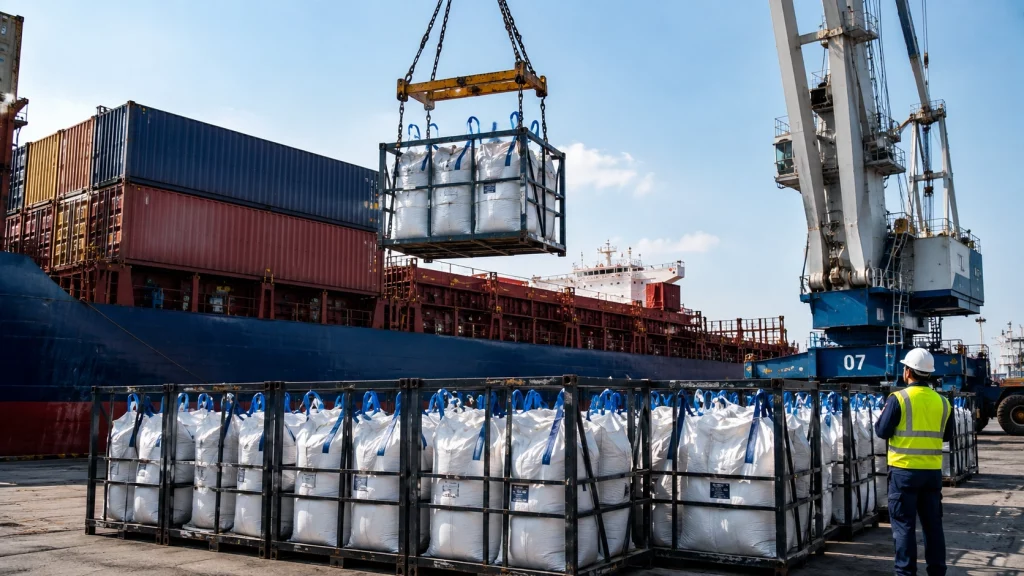
Iranian bitumen can be exported in bulk vessels, drums, or jumbo bags. Delivery terms such as FOB, CFR, and CIF depend on the destination and buyer preference.
4. Finalizing Contract and Shipment
After confirming specifications, price, quantity, and delivery conditions, the shipment process can move forward.
For companies searching for a reliable bitumen supplier from Iran, understanding these steps helps reduce risks and choose the right export partner.
At Call2Supply, we help international buyers connect with verified Iranian suppliers and arrange bitumen sourcing based on grade, quantity, packaging, and destination requirements.
The Future of Iran Bitumen Export Market
The last four years of export data show that Iran’s bitumen market continues to change. While traditional buyers such as the UAE, Oman, India, and Pakistan remain important destinations, China has become a much stronger market for Iranian bitumen.
The data also shows that export volume alone does not determine market position. Logistics, regional demand, pricing conditions, and supplier relationships all influence where Iranian bitumen is shipped.
For global buyers, this means choosing a supplier requires more than comparing a single price quotation. Factors such as refinery reliability, product quality, export experience, and shipping capability should also be considered.
As international demand for asphalt materials continues, Iran remains an important source for companies seeking petroleum bitumen from the Middle East.
Conclusion
Four years of Iran Bitumen Export data show that the market is constantly changing. The UAE has remained one of the most consistent buyers, China has significantly increased its position, and India’s import volume has declined compared with previous years.
At the same time, average export prices have changed based on market conditions, freight costs, and competition among global suppliers.
For companies planning their next shipment or looking for a long-term Iran bitumen supplier, understanding export trends provides a clearer picture of available opportunities.
Whether you need Bitumen 60/70, Bitumen 80/100, or VG grades, working with an experienced Iranian bitumen exporter can help simplify sourcing, quality verification, and international logistics.
To discuss current availability, specifications, and shipment options, contact our team through WhatsApp.
Frequently Asked Questions (FAQ)
1. Which countries are the main buyers of Iranian bitumen?
According to official trade records, the UAE, Oman, China, India, and Pakistan are the top five primary destination markets for Iranian bitumen exports.
2. What are the most commonly exported bitumen grades from Iran?
Iranian refineries mainly export penetration grades such as Bitumen 60/70 and Bitumen 80/100, as well as viscosity grades including Bitumen VG30 and VG40.
3. What factors influence the export price of Iranian bitumen per ton?
The final price depends on the specific bitumen grade, packaging type (bulk vs. drums), shipment volume, international freight costs, and delivery terms (FOB vs. CFR/CIF).
4. How can international buyers source bitumen directly from reliable Iranian exporters?
Buyers should select their required grade, review refinery technical specifications and batch COAs, confirm delivery terms, and partner with experienced export suppliers.